Why we as society need Electric Road Systems
How dynamic charging is completely transforming our mobility

End of Range Anxiety
Even in the center of Europe, drivers still seem to want to be able to cross a desert for every upcoming trip. Always be on the safe side.
Car manufacturers are responding with ever more absurd batteries that make vehicles heavy, expensive and resource-intensive.
With ERS, the problem of range anxiety is solved even
without this worrying trend.
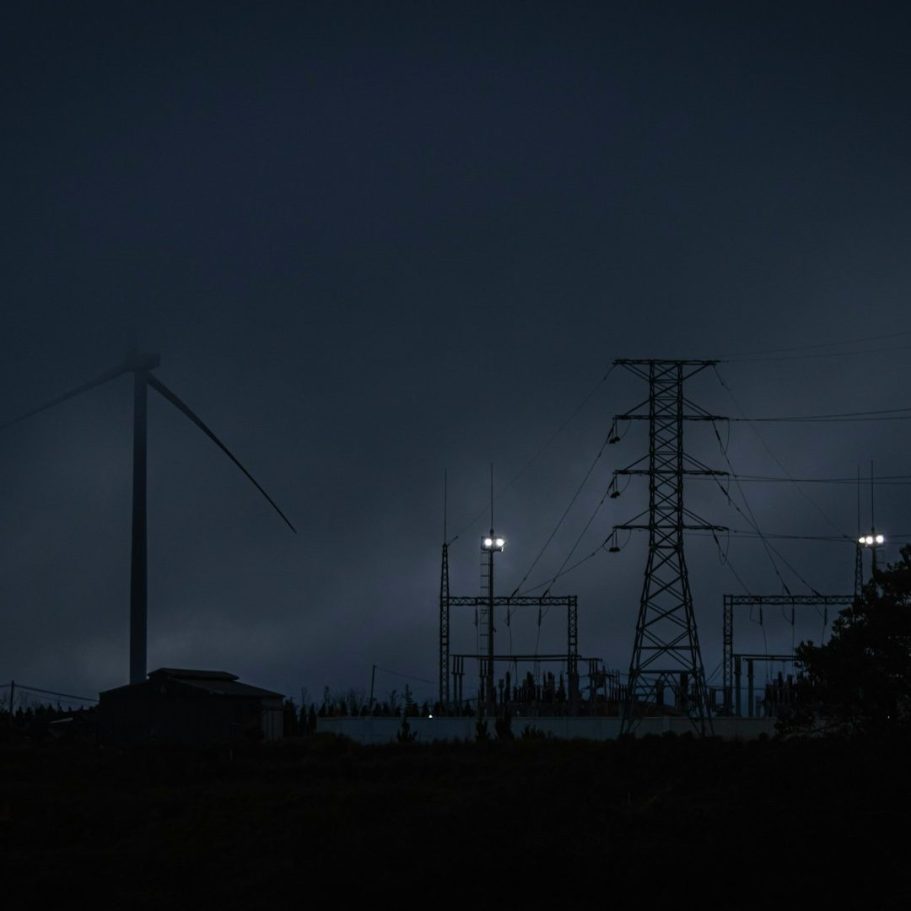
Energy efficiency against Blackouts
Blackouts in the power grid during periods of low wind and low sunlight – just populism or not?
Ultimately, it doesn't matter.
We should make the best possible use of the limited energy we can generate from renewable sources
– not only from a sustainability perspective, but also from a geopolitical one.
ERS help in two ways:
1. The overall efficiency is significantly higher than with
static charging (and, of course, higher than with hydrogen).
2. Demand is smoothed out over the course of the day. Heavy trucks in particular are challenging for the energy grid, and they all charge at the same time.
ERS enables continuous charging throughout the day.
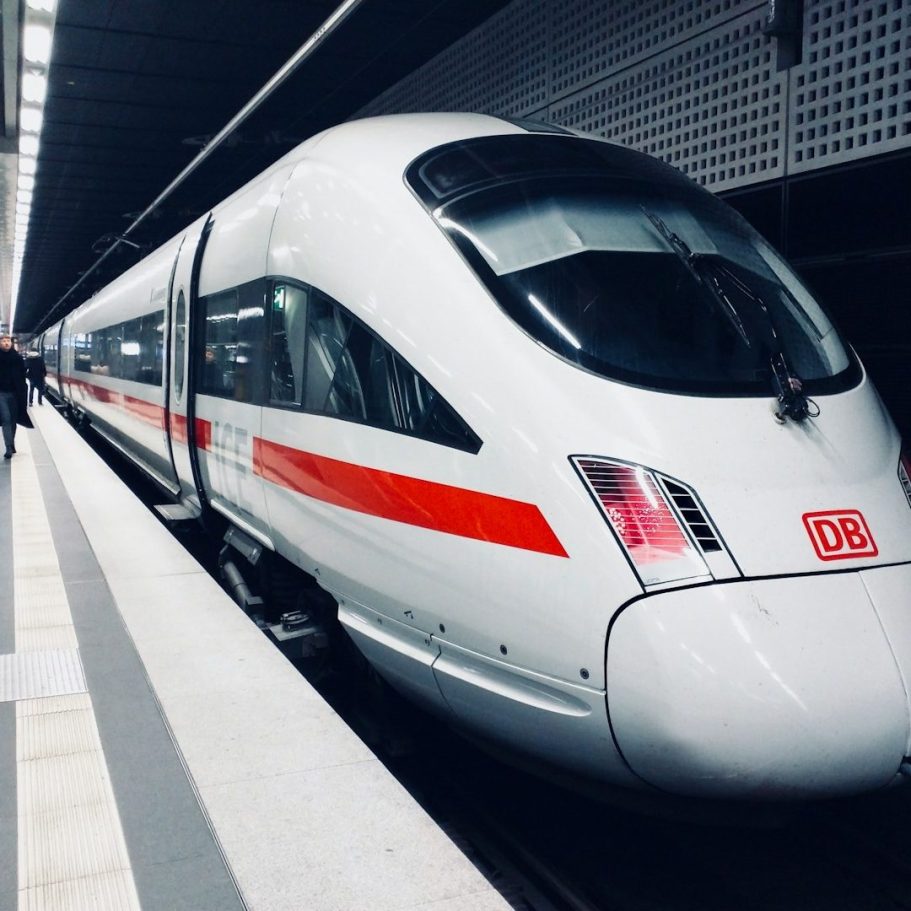
Make German train system great again
Why does the German rail system not work, and why will it still not work in many decades' time, even with the ‘Deutschlandtakt’?
The Japanese Shinkansen trains run on their own high-speed network.
France also uses a separated high speed rails.
Switzerland does not – but the country is so small that long-distance transport does not need to be much faster than local transport in order to travel across the country in an acceptable amount of time .
In Germany, on the other hand, this is not possible due to the many large centres (Berlin, Frankfurt, Munich, Hamburg, Cologne). Here, trains run in mixed traffic and block each other. Local passenger rail transport accounts for around 60% of the network capacity, long-distance transport around 15% and freight transport around 25%.
But local transport in particular is not competitive with cars in terms of time and, with less than 30% vehicle utilisation, is even less efficiently utilised than an average car, which is an incredible waste of expensive infrastructure.
The more local and freight transport we can replace with
comparable climate-friendly Electric Road Systems,
the faster the ICE (Intercity Express) will become – and one day it may even be faster than domestic flights between Munich and Hamburg.
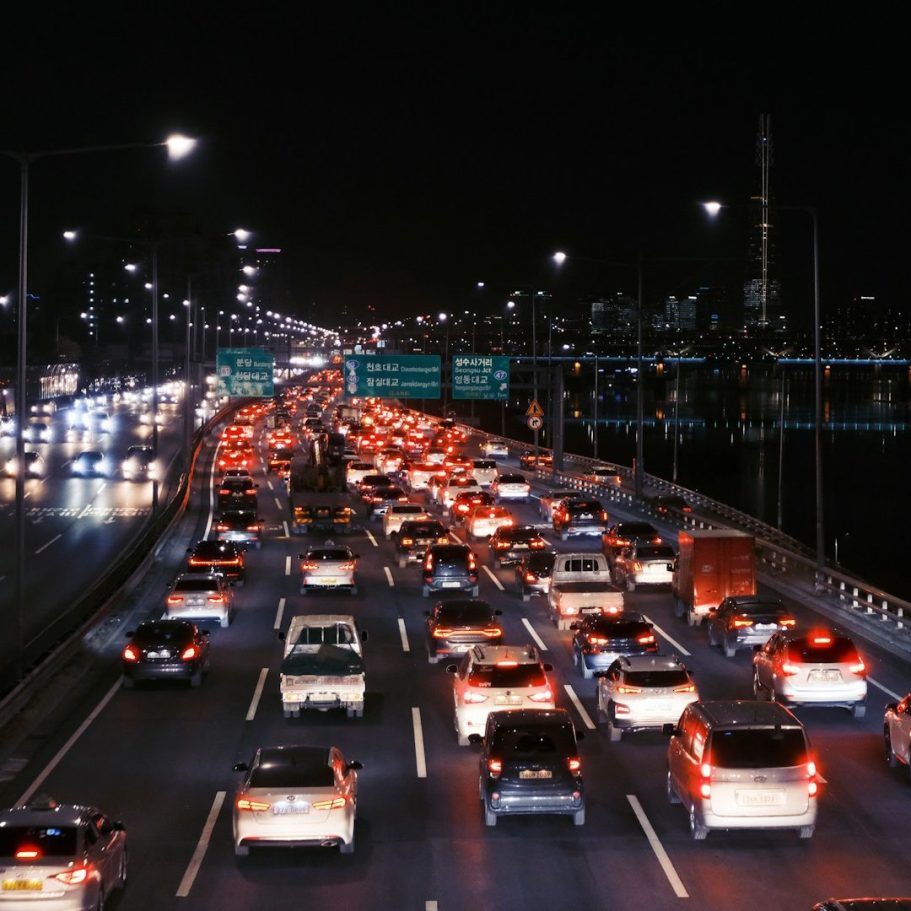
Reduction of traffic jams
ERS do not reduce congestion in the current setup, but they do if we start to think about ERS systemically
(see investment theses 2 and 3)
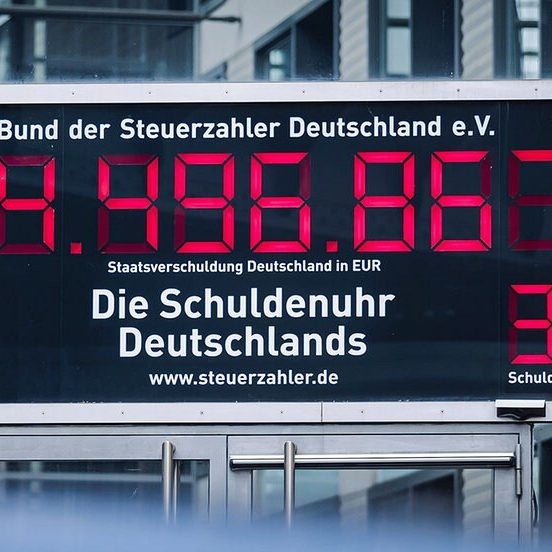
Socially most cost efficient way to decarbonise roads
An ICCT study estimates the cost of electrifying 1.2 million trucks in 2040 with static charging stations at around 46 billion euros (only road freight transport !) .
This is due to the fact that a large number of production facilities and logistics centers are connected to the electricity grid in a decentralized manner.
On the other hand, 1 km of ERS (both directions) costs around 3.5 million euros.
In Germany, approx. 3,000 km of ERS expansion of 13,000 highway network would be sufficient to electrify entire Germany (since the vehicles still have small batteries with a short range) - this results in total costs of 10.5 billion euros - to which, of course, static charging stations must be added, but not so many in inefficient locations.
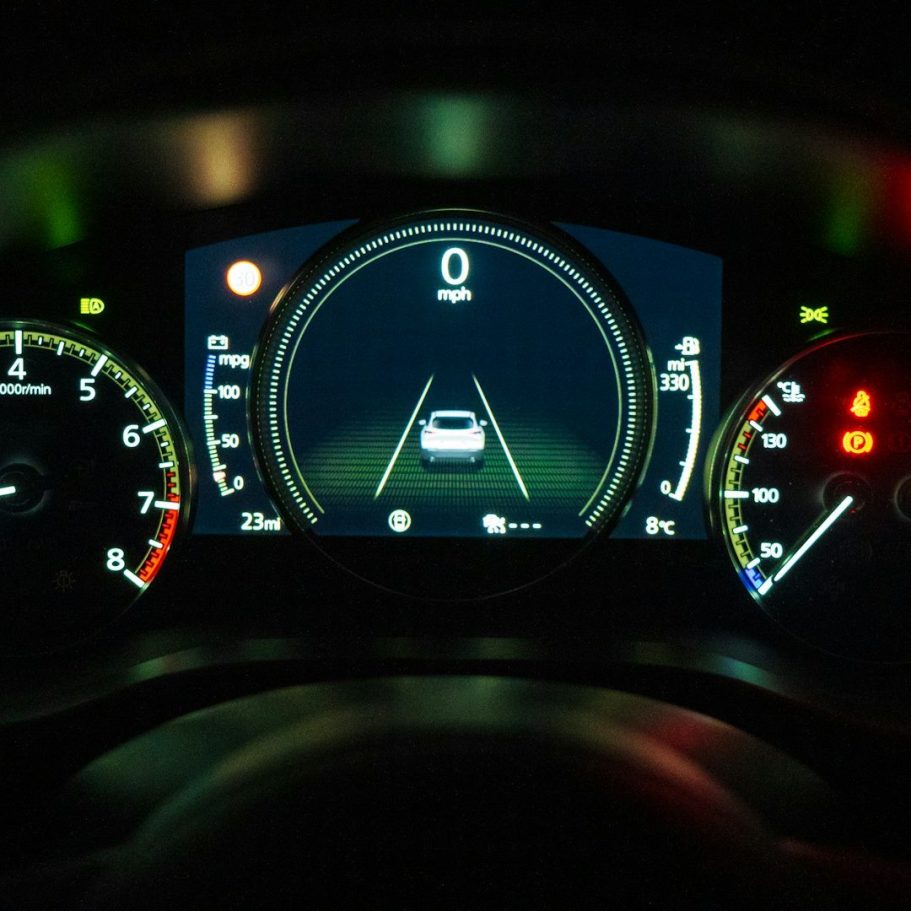
Facilitating automated driving
Automated driving is easier on highways than in city centers - especially when the positions of vehicles are known exactly and the vehicles are at best lane-guided or even coupled with each other in a network
(see investment theses 2 and 3)
What types of Electric Road Systems are there (so far)?
Overheadline
Advantages
- Already proven to function flawlessly from a technical standpoint.
Infrastructure can be built today. Scania can provide trucks tomorrow. - Most energy- and cost-efficient solution.
Disadvantages
- Enables electrification only for trucks, not for cars
(in the solution currently under consideration, see expansion option below) - Apparently considered unaesthetic by motorway romantics
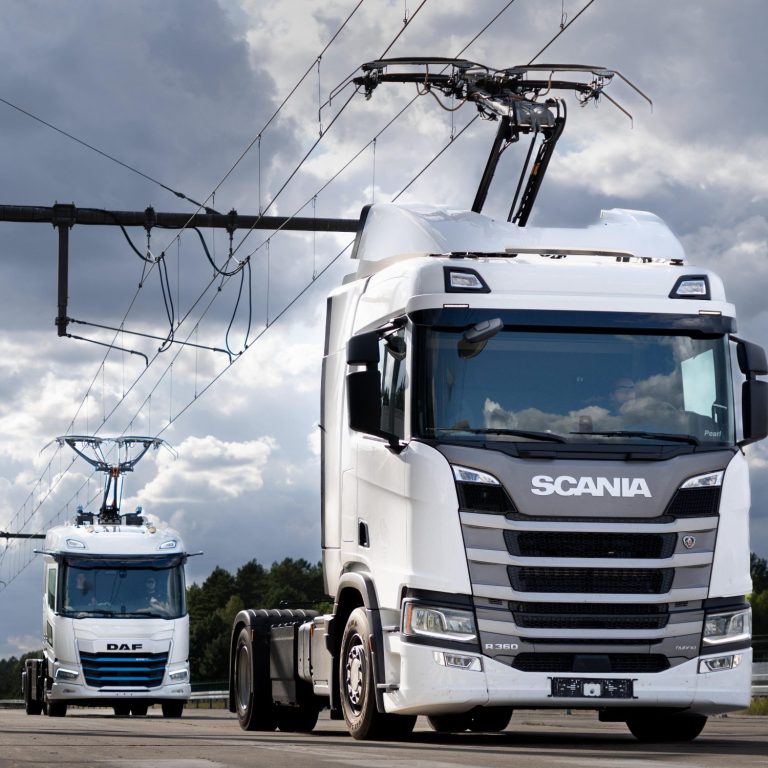
Photo: Clemens Niederée
Conductive Rail
Advantages
- Enables electrification of trucks and cars
- Similarly high efficiency as overhead lines
- Visually more attractive than the overhead line
Disadvantages
- More expensive than overhead lines due to complex electronic circuits, as cars, unlike trains, are not electrically grounded via the wheels
- Despite electronic circuits, there are safety concerns (at least in conservative Germany, which represents the highest market potential in Europe)
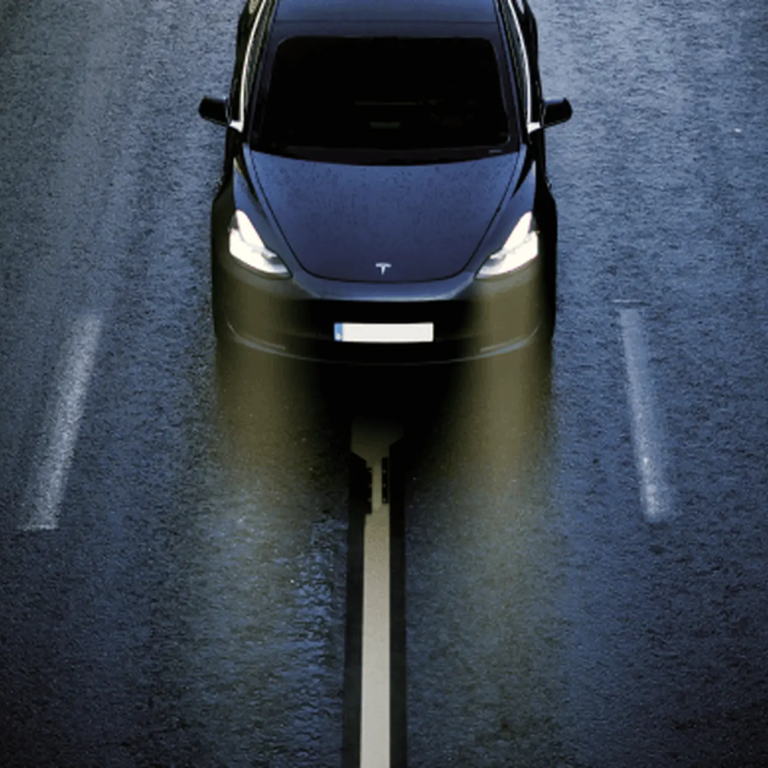
Photo: Elonroad
Inductive Charging
Advantages
- Enables electrification of trucks and cars
- Most futuristic and therefore most inspiring of the three solutions
- Visually attractive
Disadvantages
- Lowest energy efficiency of ERS solutions
- Most expensive and maintenance-critical ERS solution
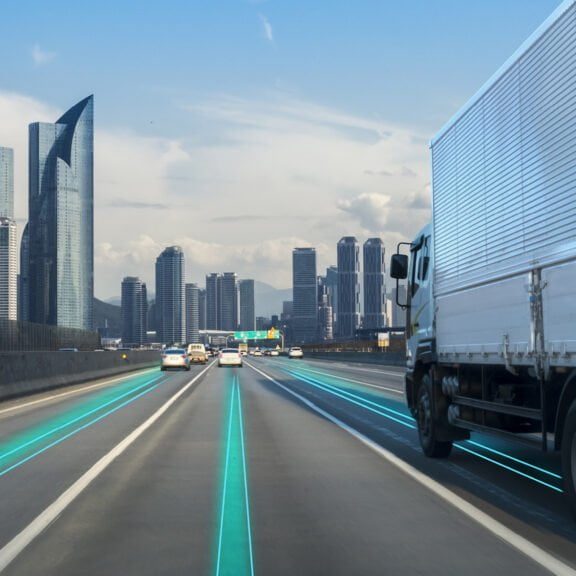
Photo: Electreon
Why have Electric Road Systems not yet become established?
Chicken and Egg
Critical observers have noticed that the test routes for overhead lines in Germany have hardly been used - well, they were test routes. No freight carrier would ever think of converting its fleet because of a few kilometers of overhead line. ERS are very difficult to scale, it needs a big bang - but this would be very possible with the current German special fund for infrastructure. If the system were available nationwide, static charging would not be competitive.
Game theory
The market diffusion of e-trucks will take some time. The infrastructure expenditure that burdens a country's budget is already being incurred today. It is therefore an understandable strategy to wait for neighboring countries to invest first and preheat the market diffusion. If everyone thinks this way, a Nash equilibrium is created by waiting.
However, research was able to show that the strategy only makes sense for some countries in Europe. Germany, France, Poland and Italy are not dependent on others and should already be investing today (Contact us for a Europe-wide investment roadmap).
Governmental
failure
The Ministry of Transport only has the duty of making road traffic carbon neutral - without details, how to achieve this.
In principle, even hydrogen can be a solution via fuel cells or even for the production of e-fuels.
But such a solution is total nonsense in terms of overall energy efficiency. But that, in turn, is the problem of the Ministry of Energy. So what would you have done if you were in a traffic light government and represented the Ministry of Transport with your traffic light color, while the traffic light color you want to harm works in the Ministry of Energy?
3 competing systems
The decoy effect is a cognitive bias where people's preference between two options changes when a third, less attractive "decoy" option is introduced that makes one of the original choices look more appealing. For example, with airlines, there is a low fare, a smart fare and a useless designed premium fare to steer customers towards the smart fare.
The opposite is the case with ERS, all three systems have advantages and disadvantages. Building one of the three would be a political nobrainer. Building all three would of course make no sense.
How to solve the puzzle?
infrAi investment theses
Thesis 1: European perspective
The best current compromise between costs, car integration and energy efficiency is conductive rail and should be expanded as quickly as possible in Germany, Poland, France and
Italy
Thesis 2: German perspective
German investors who favor the overhead line should invest immediately. The business case in Germany is not dependent on neighboring countries. In addition, with the goodwill of the German automotive industry, access for passenger cars can also be made possible at a later date by docking vehicles to trucks for charging. A similar project has won the German Mobility Award for a hydrogen towing vehicle. The German Ministry of Transport therefore considers such a technology to be realistic.
Thesis 3: Alternative path
In parallel, investments should be made in the development of a fourth ERS that combines the advantages of the three existing ones without the respective disadvantages.
Scroll down to be part of the alternative path.
How would an ERS look like, that combines the
advantges of the existing concepts?
Presentation of the third investment thesis as an alternative path
All pieces of the puzzle are already available.
Step by step:
1. Use existing Conductive Rail solution as basis
2. Build train tracks on highways in addition to the existing
conductive rail solution (similar to tram - rails)
3. Take a look at France. Michelin has developed a tire-wheel combination that allows vehicles to drive on roads and rails
(picture right)
4. Realize that step 3 cannot be transferred to the infrastructure built in step 2 without modification, as the Michelin concept requires an offset between rail and road.
5. Realize that you need to be able to extend the wheels so that they do not interfere when driving on the tires and can make contact with the rails on an ERS highway
6. Find out that even such a concept already exists in current research projects
7. Try to bring together reserach with conductive rail ERS providers, train manufacturers and at least one automotive OEM that wants to change our mobility system, instead of trying to keep up with static charging BEV price wars.

Photo: SNCF
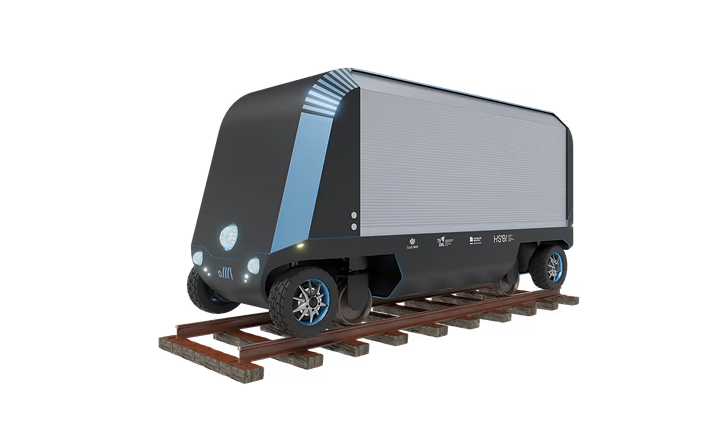
Photo: AutoRail OWL
Result - mobility system that
- Is very energy-efficient
- Is safer and cheaper than existing Conductive Rail, as the vehicles are permanently earthed and track-guided
- Facilitates autonomous driving due to track guidance
- Creates maximum ride comfort (higher on rail than on the road)
- As a positive side effect enables driving on the rail network for all ERS cars and ERS trucks for maximum flexibility